Bonito
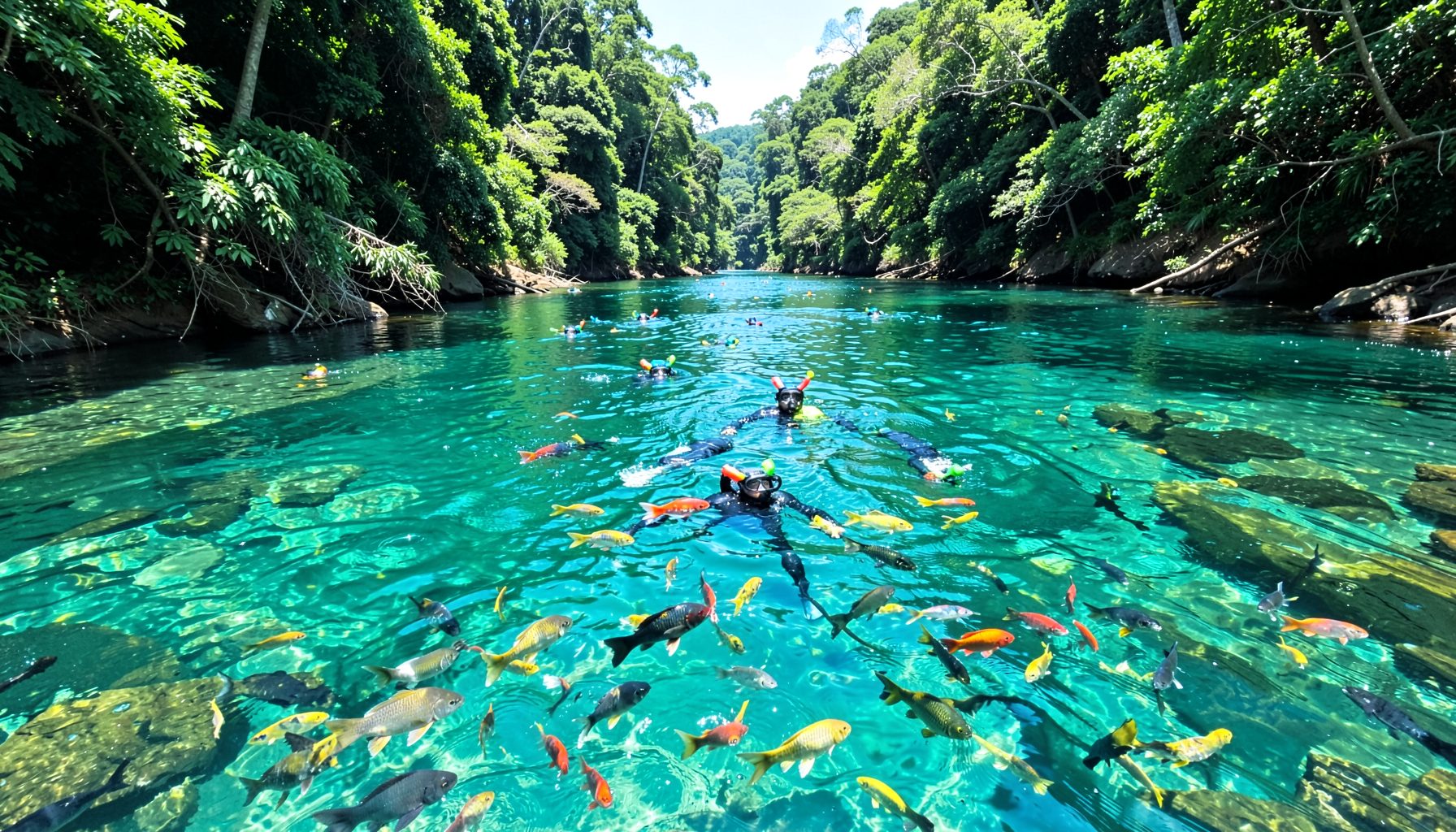
Bonito is the state's best-known ecotourism destination, recognized for its clear rivers and natural springs. It is a frequent starting point for visitors exploring the region's freshwater landscapes before heading toward the Pantanal.
Corumbá
Corumbá serves as a gateway city to the Pantanal, positioned along the region's river network. It functions as a practical staging point for travelers heading into the wetlands from the western side of Mato Grosso do Sul.
Pantanal
The Pantanal is one of the world's largest tropical wetland areas, spanning across Mato Grosso do Sul. The guide's Pantanal coverage introduces the wetlands as a distinct travel region within the state, alongside Bonito and Corumbá.
Areas covered in this guide
- Bonito — ecotourism hub known for its rivers
- Corumbá — gateway city to the Pantanal
- Pantanal — wetlands travel information
Mato Grosso do Sul is a land of striking contrasts, where the dense greenery of the interior gives way to vast floodplains and crystal-clear rivers. Travelers who venture into this western state of Brazil often begin their journey in Bonito, a destination celebrated for its translucent waterways and abundant wildlife. The region's natural springs feed rivers so clear that visitors can observe fish and aquatic plants from the surface with remarkable ease. Beyond the water, the surrounding countryside offers opportunities for hiking, cave exploration, and encounters with the region's rich birdlife, making it a rewarding stop for nature enthusiasts of all kinds.
Corumbá, positioned along the western edge of the state, serves as a practical gateway into the Pantanal's vast wetland ecosystem. This city has long functioned as a staging point for travelers heading into the floodplains, where seasonal rains transform the landscape into a mosaic of ponds, channels, and grassy expanses. From Corumbá, visitors can arrange excursions deeper into the wetlands, where the wildlife viewing is among the most spectacular in South America. The city itself carries a distinct frontier character, shaped by its river port history and its position near the Bolivian border, offering a glimpse into the region's cultural and commercial heritage.
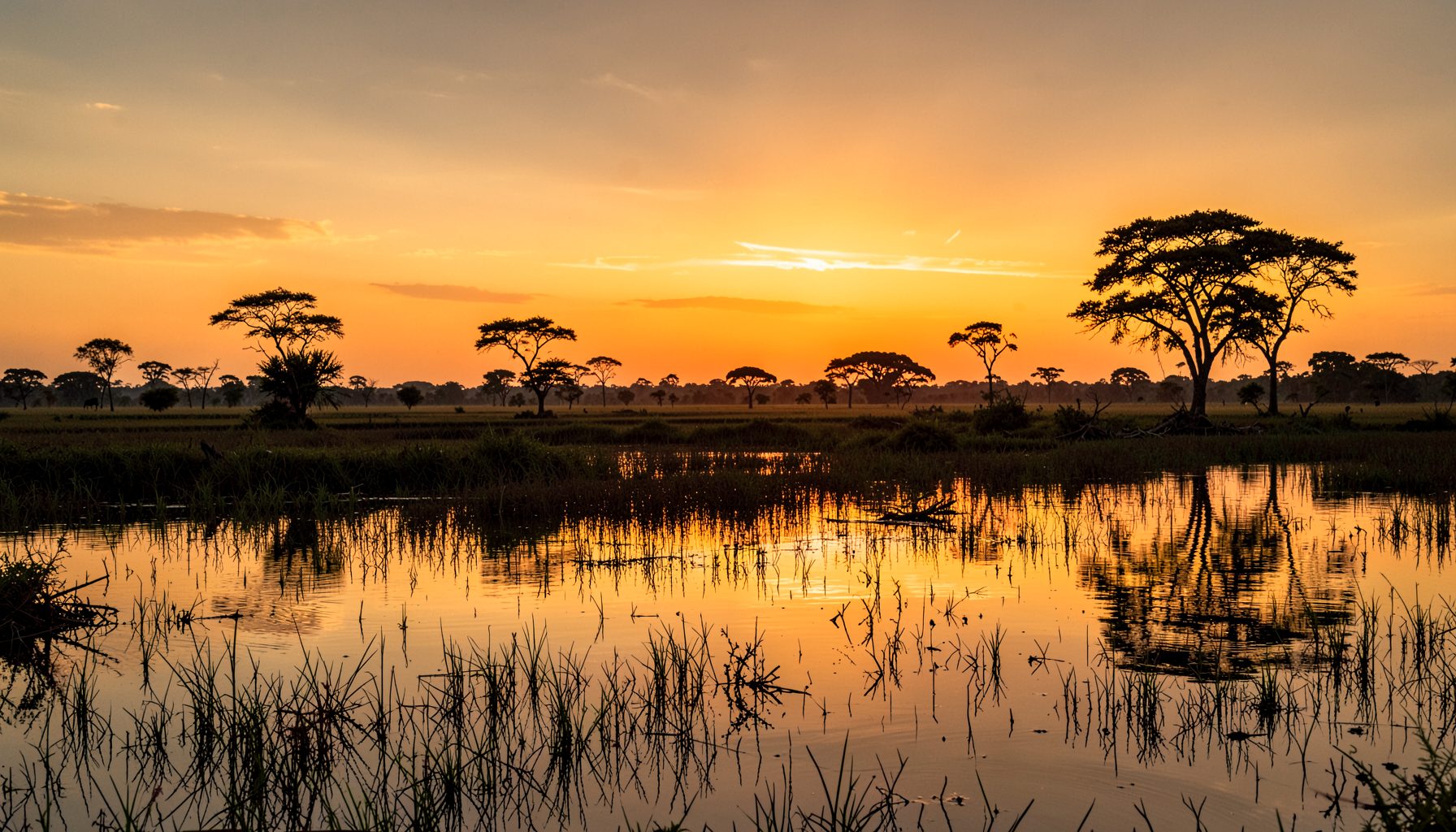
The Pantanal is one of the planet's largest tropical wetland areas, and its southern reaches fall within Mato Grosso do Sul. This extraordinary ecosystem supports an astonishing diversity of species, including capybaras, caimans, giant river otters, and countless bird varieties. During the dry season, wildlife concentrates around shrinking water sources, creating exceptional opportunities for observation. During the wet season, the landscape transforms into a shimmering expanse of water that sustains the region's intricate food web. For travelers, the Pantanal offers a raw and immersive natural experience that rivals any wildlife destination on the continent, all within a relatively accessible part of Brazil.
The state also offers a taste of authentic Brazilian interior culture, with small towns and rural communities that preserve traditional rhythms of life. Visitors can sample regional cuisine built around river fish, local cheeses, and hearty dishes that reflect the blending of indigenous, Portuguese, and neighboring cultural influences. The pace here is unhurried, and the landscapes range from savanna-like plains to gallery forests lining the waterways. Whether exploring on horseback, by boat, or on foot, travelers find that Mato Grosso do Sul rewards those who take the time to slow down. It is a destination that pairs adventure with tranquility, offering a distinctly different side of Brazil beyond the coastal crowds.